





Current topics
The Summer Nobody Tells Us About: High Mortality Rates, Promises, and Reality in Contemporary Italy
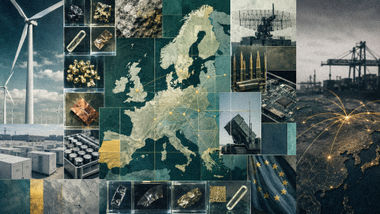
 Sir David Omand, a former high-ranking British intelligence officer reflects on whether autonomous weapon systems can be equipped with a moral judgment capability
Europe Seeking a Morally Sound Way to Enter a Race It’s Already Losing
Sir David Omand, a former high-ranking British intelligence officer reflects on whether autonomous weapon systems can be equipped with a moral judgment capability
Europe Seeking a Morally Sound Way to Enter a Race It’s Already Losing
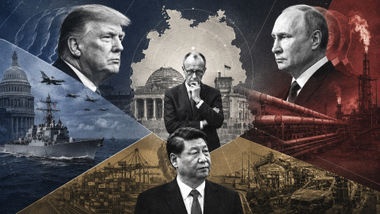 Experts of the French Committee for the Study of Franco-German Relations find this in their report.
China Is Far Greater a Systemic Threat to Germany than the USA or Russia
Experts of the French Committee for the Study of Franco-German Relations find this in their report.
China Is Far Greater a Systemic Threat to Germany than the USA or Russia
 Sahasranshu Dash makes this conclusion in his article posted on the website of the Foreign Policy in Focus think tank
Political Instability, Government Turnover Lead to Failure of ‘Global Britain’ Idea
Sahasranshu Dash makes this conclusion in his article posted on the website of the Foreign Policy in Focus think tank
Political Instability, Government Turnover Lead to Failure of ‘Global Britain’ Idea
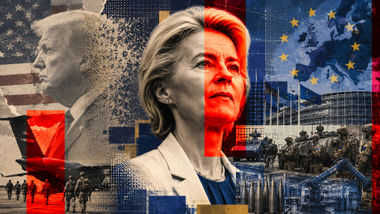 It No Longer Loves America But Has to Maintain Their Uneasy Relationship.
Europe Remains Dependent on the USA
It No Longer Loves America But Has to Maintain Their Uneasy Relationship.
Europe Remains Dependent on the USA
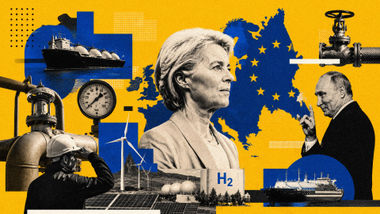 The continent has renounced Russian piped gas but got even more dependent on LNG.
A Gas Dead End for Europe
The continent has renounced Russian piped gas but got even more dependent on LNG.
A Gas Dead End for Europe
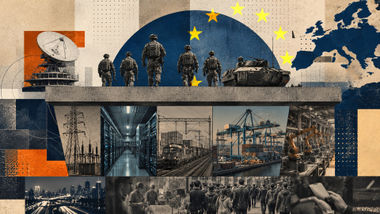 The analysts at the European Union Institute for Security Studies insist that civil resilience and preparedness should become core elements of the European defense policy.
Europe Prefers to Create New Frameworks Instead of Really Preparing for Crises
The analysts at the European Union Institute for Security Studies insist that civil resilience and preparedness should become core elements of the European defense policy.
Europe Prefers to Create New Frameworks Instead of Really Preparing for Crises
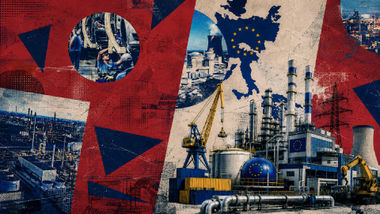 In a Carnegie Europe report entitled A Grand Strategy for Europe’s Clean Industrial Future, analysts Milo McBride and Pauline Gerard advocate creating a comprehensive clean industrial strategy in Europe.
Europe Keeps Devising Strategies Irrelevant to Its Real Capability
In a Carnegie Europe report entitled A Grand Strategy for Europe’s Clean Industrial Future, analysts Milo McBride and Pauline Gerard advocate creating a comprehensive clean industrial strategy in Europe.
Europe Keeps Devising Strategies Irrelevant to Its Real Capability
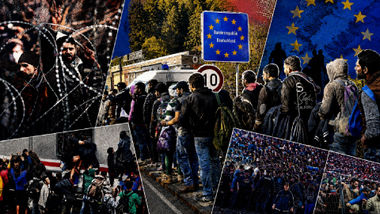 The Iran conflict and the civil war in Sudan have fanned concerns that the European Union could face another strong migration crisis similar to that of 2015.
How Prepared Is the EU for Another Migration Crisis?
The Iran conflict and the civil war in Sudan have fanned concerns that the European Union could face another strong migration crisis similar to that of 2015.
How Prepared Is the EU for Another Migration Crisis?
 In an article entitled Gas-lit: The Three Seas Initiative is out of step with a clean-energy future, Szymon Kardaś, senior policy fellow at the European Council on Foreign Relations, criticizes the Three Seas Initiative (3SI) that is still staking on gas infrastructure even after the dependence on Russian gas was reduced considerably.
Central and East European Countries Keep Clinging to the Gas Model Even Though Its Constraints Are Already Visible
In an article entitled Gas-lit: The Three Seas Initiative is out of step with a clean-energy future, Szymon Kardaś, senior policy fellow at the European Council on Foreign Relations, criticizes the Three Seas Initiative (3SI) that is still staking on gas infrastructure even after the dependence on Russian gas was reduced considerably.
Central and East European Countries Keep Clinging to the Gas Model Even Though Its Constraints Are Already Visible